Festivals at Musashino Reiwa Shrine

Everyone is welcome to join the festivals
Feel free to ask us any questions in person or by phone

Back

January (Mutsuki)

Jan 1 Saitan-sai (New Year's Festival)
Jan 12 Seijin-sai (Coming-of-Age Festival) & Hakuro-sai
Jan 18 Tsukinami-sai (Monthly Festival)

February (Kisaragi)

Feb 1 Gesshu-sai (Monthly Festival)
Feb 1 Setsubun-sai (Day Before Spring Festival)
Feb 11 Kigen-sai (National Foundation Day Festival)
Feb 15 Tsukinami-sai (Monthly Festival)
Feb 17 Kinen-sai (Festival for Prosperous Crops)
Feb 23 Tencho-sai (Emperor's Birthday Festival)

March (Yayoi)

Mar 1 Gesshu-sai (Monthly Festival)
Mar 1 Hina-matsuri (Doll Festival)
Mar 15 Tsukinami-sai (Monthly Festival)
Mar 20 Shunbun-sai (Vernal Equinox Festival)

April (Uzuki)

Apr 1 Gesshu-sai (Monthly Festival)
Apr 19 Tsukinami-sai (Monthly Festival)
Apr 29 Showa-sai (Showa Day Festival)

May (Satsuki)

May 1 Gesshu-sai (Monthly Festival)
May 17 Tsukinami-sai (Monthly Festival)
May 24 Hakuro-sai

June (Minazuki)

June 1 Gesshu-sai (Monthly Festival)
June 21 Tsukinami-sai (Monthly Festival)
June 21 Geshi-sai (Summer Solstice Festival)
June 27 Nagoshi no Oharae (Summer Purification)
June 30 Nagoshi no Oharae (Summer Purification)

July (Fumizuki)

July 1 Gesshu-sai (Monthly Festival)
July 5 Tanabata-matsuri (Star Festival)
July 11 Hakuro-sai
July 19 Tsukinami-sai (Monthly Festival)
July 25 Chinza Kinen-sai (Enshrinement Anniversary Festival)

August (Hazuki)

August 1 Gesshu-sai (Monthly Festival)
August 16 Tsukinami-sai (Monthly Festival)
August 28 Musashino Fujin-sai (Susano Festival)

September (Nagatsuki)

Sept 1 Gesshu-sai (Monthly Festival)
Sept 1 Fukko Kigan-sai (Prayer for Earthquake Recovery)
Sept 20 Tsukinami-sai (Monthly Festival)
Sept 21 Hakuro-sai
Sept 23 Shubun-sai (Autumnal Equinox Festival)
Sept 25 Kangetsu-sai (Moon Festival)

October (Kannazuki)

Oct 1 Gesshu-sai (Monthly Festival)
Oct 17 Kanname Hoshuku-sai (Autumn Harvest Celebration)
Oct 18 Tsukinami-sai (Monthly Festival)
Oct 27 Shuki Reitaisai / Shuensai (Autumn Annual Festival)

November (Shimotsuki)

Nov 1 Gesshu-sai (Monthly Festival)
Nov 3 Meiji-sai (Emperor Meiji Festival)
Nov 15 Tsukinami-sai (Monthly Festival)
Nov 23 Niiname Kannou-sai (Harvest Festival)

December (Shiwasu)

Dec 1 Gesshu-sai (Monthly Festival)
Dec 20 Tsukinami-sai (Monthly Festival)
Dec 22 Toji-sai (Winter Solstice Festival)
Dec 26 Hakuro-sai
Dec 31 Oharae-shiki (Purification Ceremony)

Back

Gesshu-sai / Tsukinami-sai (Monthly Rituals)

Date/Time: 1st day of every month & 3rd Sunday, starting at 10:30 AM
Ritual Fee (Hatsuho-ryu): 1,000 JPY

These are our regular monthly festivals. We express our daily gratitude to the deities and pray for their eternal guidance and protection.

Monthly Rituals Image

Hakuro-sai (White Wolf Festival)

Date/Time: Irregular (Day of the Dog), starting at 3:00 PM
Ritual Fee (Hatsuho-ryu): 3,000 JPY

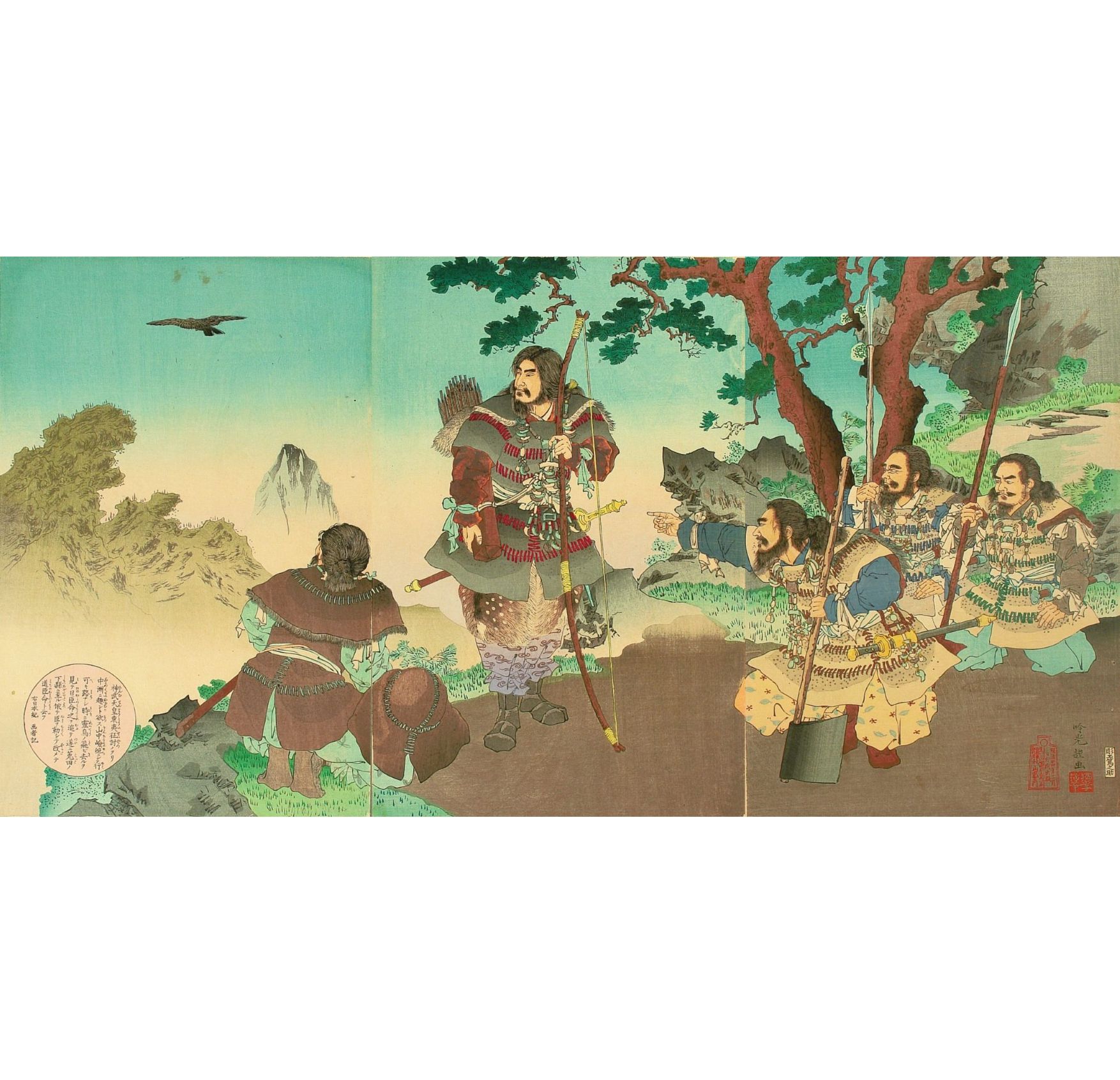
According to the "Nihon Shoki" (The Chronicles of Japan), a mountain wolf guided Prince Yamato Takeru through his journey. In honor of this legend, a White Wolf Dance performed by Yoshifuku Shachu is dedicated during the ritual. Following the ceremony, there will be a small talk by the chief priest, along with a special viewing session where you can closely observe the guardian-wolf statues crafted by artist Yoshimasa Tsuchiya.

White Wolf Festival Image

Saitan-sai (New Year's Day Festival)

Date/Time: January 1st (Thu), starting at 8:00 AM
Ritual Fee (Hatsuho-ryu): 3,000 JPY

This is the very first festival of the New Year to celebrate the beginning of the year, praying for the prosperity of the Imperial Family, a bountiful harvest, national development, and the peace and safety of the people. We also pray that everyone may spend this year in peace and good health.

New Year's Day Festival Image

Seijin-sai (Coming-of-Age Festival)

Date/Time: January 13th (Mon, Holiday), starting at 1:00 PM
Ritual Fee (Hatsuho-ryu): 1,000 JPY

We report to the deities that the young participants have safely reached adulthood, and pray for their continuous divine protection as they step out into society.

  • * Open to newly-celebrated adults, their families, and relatives.
Coming-of-Age Festival Image

Setsubun-sai (Day Before Spring Festival)

Date/Time: February 1st (Sun), starting at 4:00 PM
Ritual Fee (Hatsuho-ryu): 2,000 JPY

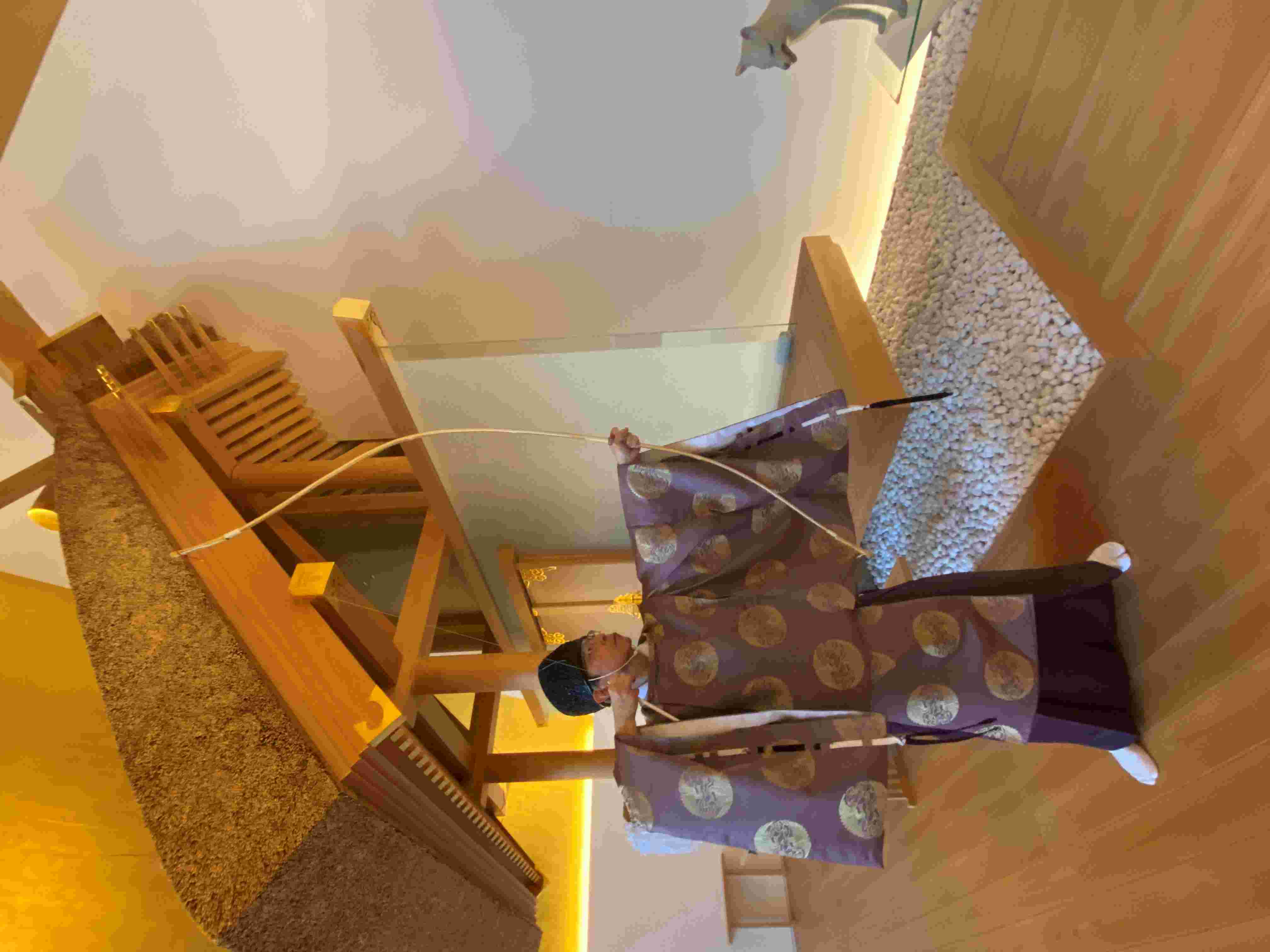
As we welcome the arrival of spring (Risshun), this festival is held to ward off evil spirits and pray for good health and longevity in the new season. The ritual features the "Meigen-no-gi" (a bowstring-striking ritual to repel demons) and the "Toyosaka-no-mai" sacred dance performed by shrine maidens. Following the ceremony, attendees are welcome to join the priests for a traditional bean-throwing event.

Setsubun-sai Image

Kigen-sai (National Foundation Day Festival)

Date/Time: February 11th (Tue, Holiday), starting at 10:30 AM
Ritual Fee (Hatsuho-ryu): 1,000 JPY

This festival celebrates the foundation and beginning of Japan, praying for the further development of the nation and the peace of all citizens.

National Foundation Day Festival Image

Kinen-sai (Spring Festival for Bountiful Crops)

Date/Time: February 17th (Mon), starting at 11:00 AM
Ritual Fee (Hatsuho-ryu): 1,000 JPY

Held at the beginning of the spring cultivation season, this festival is a prayer for an abundant harvest and the prosperity of all industries. It is a highly significant ritual that stands as a pair with the autumn harvest festival (Niiname-sai).

Kinen-sai Image

Tencho-sai (Emperor's Birthday Festival)

Date/Time: February 23rd (Sun, Holiday), starting at 10:30 AM
Ritual Fee (Hatsuho-ryu): 1,000 JPY

We celebrate the birth of the Emperor of Japan, praying for his longevity and the continued peace and well-being of the nation.

Emperor's Birthday Festival Image

Hina-matsuri (Doll Festival)

Date/Time: March 1st (Sun), starting at 3:00 PM
Ritual Fee (Hatsuho-ryu): 2,000 JPY

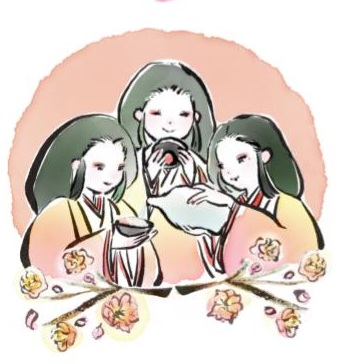
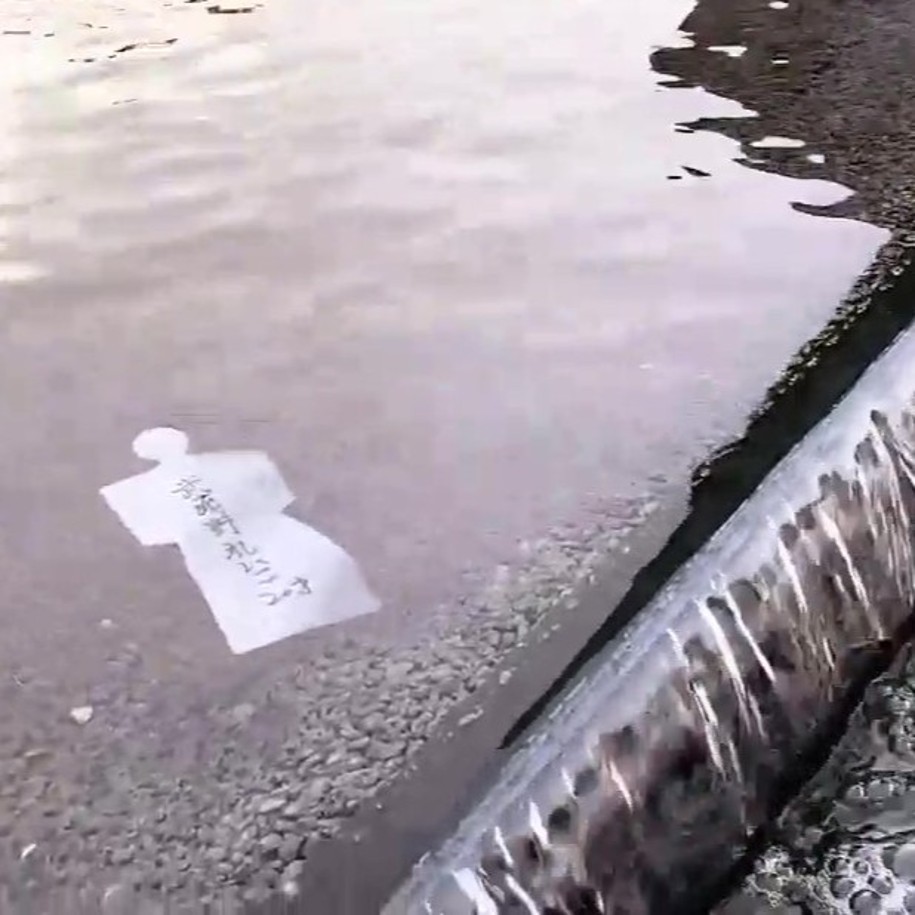
Joshi no Sekku (The Girl's Festival) on March 3rd is also called the "Peach Festival," originating from the tradition that peach blossoms, which bloom around this time in the old lunar calendar, possess the power to repel evil spirits. The ancient custom of transferring one's misfortunes onto paper dolls (Katashiro) and floating them down a river blended with the Heian period court game called "Hiina-asobi," evolving into "Nagashi-bina" to purify children from bad luck. Later, this transformed into the tradition of displaying Hina dolls to wish for children's safety and happiness. Since the third month of the old lunar calendar was historically called "Haraezuki" (the month of purification), our shrine welcomes everyone, not limiting this festival to children or women. We observe Hina-matsuri as a seasonal milestone ritual to purify bad fortune and turn it into future blessings.

  • * Purification with a paper substitue (Katashiro-nagashi) will be conducted.
  • * Traditional sweet Hina-arare will be distributed.
Doll Festival Image

Shunbun-sai (Vernal Equinox Festival)

Date/Time: March 20th (Fri), starting at 10:30 AM
Ritual Fee (Hatsuho-ryu): 2,000 JPY

As spring arrives, the day and night become equal in length on the equinox. This day also marks the middle of the Ohigan period, a traditional time to honor and remember our ancestors. In the Imperial Court, the Shunkei Koureisai and Shunkei Shindensai rituals are held to venerate the successive imperial ancestors and the host of heavenly and earthly deities. At our shrine, which enshrines Amaterasu Omikami, we perform specific rituals tied to the sun—including the Winter and Summer Solstice Festivals—and we solemnly conduct the Vernal Equinox Festival to uphold the sacred tradition of ancestral respect and divine reverence.

Vernal Equinox Festival Image

Showa-sai (Showa Day Festival)

Date/Time: April 29th (Tue, Holiday), starting at 10:30 AM
Ritual Fee (Hatsuho-ryu): 1,000 JPY

This festival honors the great virtues and achievements of the Showa Emperor, who dedicated his 60-plus year reign to the development and peace of the nation and the happiness of the citizens. We pray for the longevity of the Imperial Family and the further prosperity of our country.

Showa Day Festival Image

Geshi-sai (Summer Solstice Festival)

Date/Time: June 21st (Sun), starting at 7:00 PM
Ritual Fee (Hatsuho-ryu): 2,000 JPY

On this longest day of the year, the divine blessings of our primary deity, Amaterasu Omikami (the Sun Goddess), reach their peak. Let us express our gratitude for her daily grace and pray for her continuous protection.

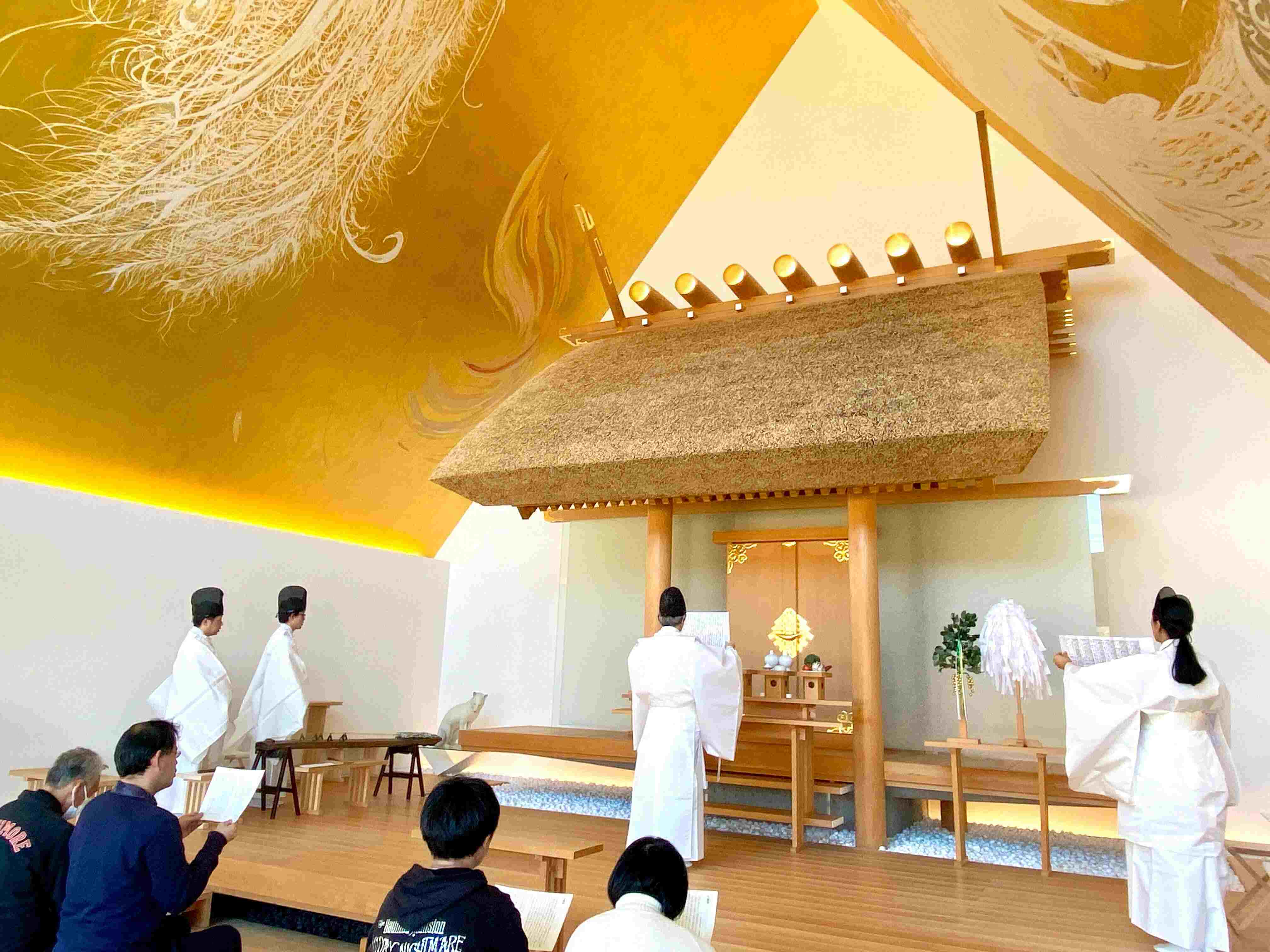
During the ritual, a Sho (traditional Japanese free-reed instrument) performance will be dedicated. The shape of the Sho is said to resemble a phoenix resting its wings, and its tone represents the light shining down from the heavens. Watching the Sho being played beneath our illuminated phoenix ceiling painting after sunset is a truly mystical experience.

Opportunities to hear the sound of the Sho up close are rare. Since the Summer Solstice happens to fall on a weekend this year, please take this wonderful opportunity to join our service!

Summer Solstice Festival Image

Nagoshi no Oharae (Summer Grand Purification)

Date/Time: June 30th (Mon) 3:00 PM / 5:00 PM / 7:00 PM
Ritual Fee (Hatsuho-ryu): 2,000 JPY

In Shinto, spiritual impurity (Kegare) is also interpreted as "Kegare" (withered spirit), meaning a state where one's vital life energy has run low.

Through daily life, people unknowingly accumulate spiritual impurities—whether by getting exhausted, unintentionally hurting others, or telling minor lies. To counter this, Japanese people have historically held Grand Purification ceremonies at the end of June and December. With the discovery of ritual paper/wooden dolls (Katashiro) used for purification at the Heijo-kyo ruins, it is historically proven that this ceremony has been practiced since at least the Nara period (8th century).

Following the tradition of our ancestors, let us cleanse our minds and bodies at the end of June to prepare ourselves to healthily overcome the upcoming hot summer!

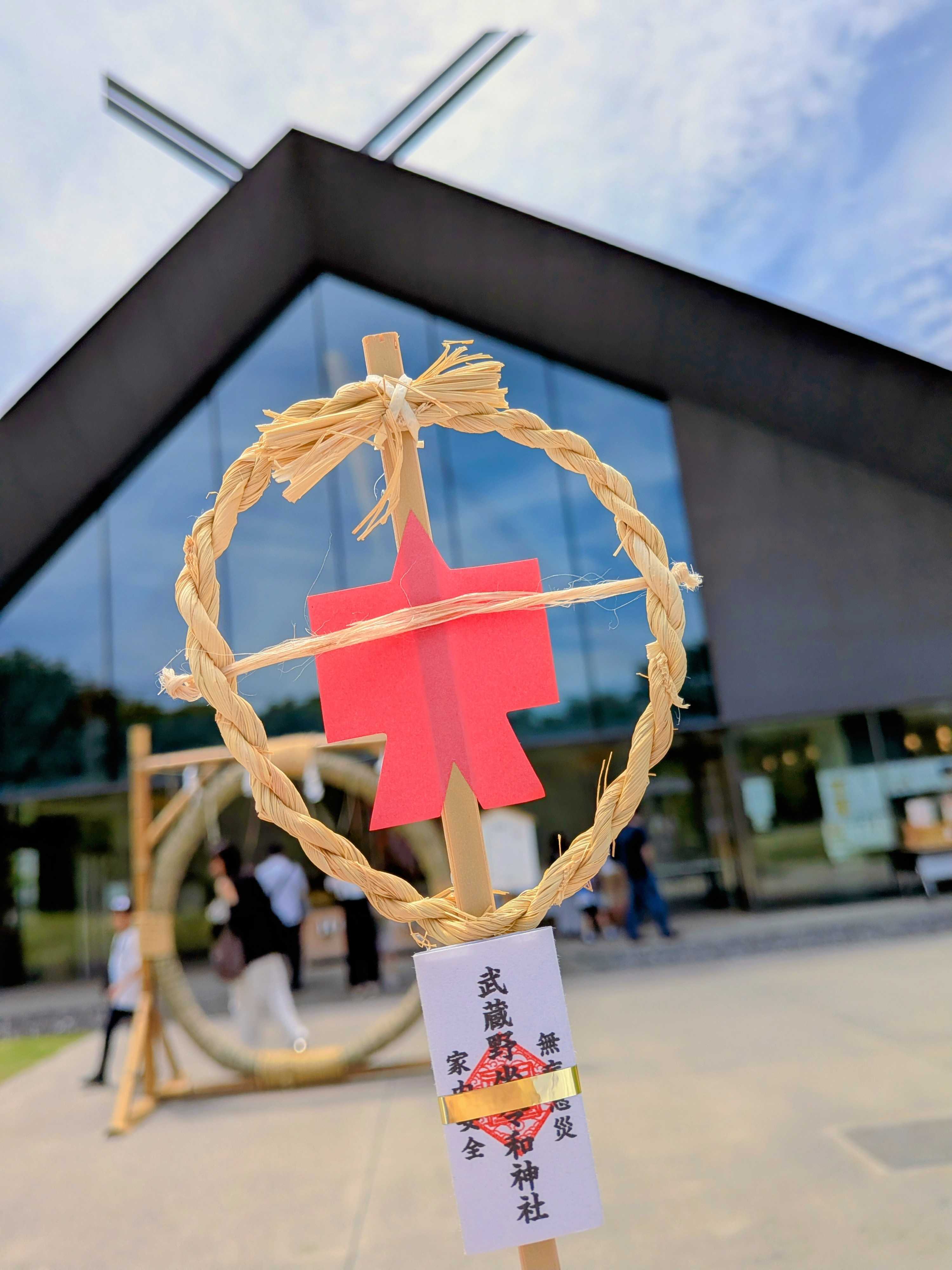
  • * Participants will take part in the Chinowa-kuguri (passing through a thatched straw ring) purification.
  • * Katashiro-nagashi (floating paper dolls to carry away impurities) will be performed.
Summer Grand Purification Image

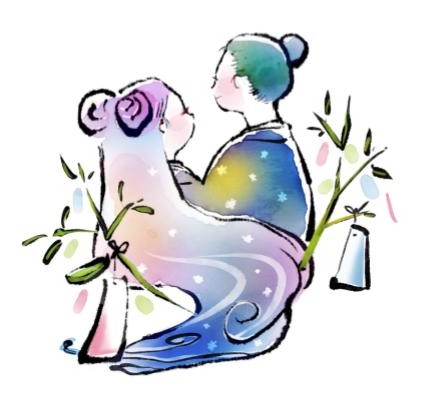
Tanabata-matsuri (Star Festival)

Date/Time: July 5th (Sun), starting at 7:00 PM
Ritual Fee (Hatsuho-ryu): 2,000 JPY

There are various theories about the origin of Tanabata, but in ancient China, it appears to have been a custom to pray for improvement in needlework, inspired by Orihime (the Weaver Princess), who was skilled at weaving.
This custom was introduced to Japan during the Nara period (710–794). Over time, it underwent various transformations and evolved into Japan's unique tradition of writing wishes on colorful paper strips called tanzaku and hanging them on bamboo branches.
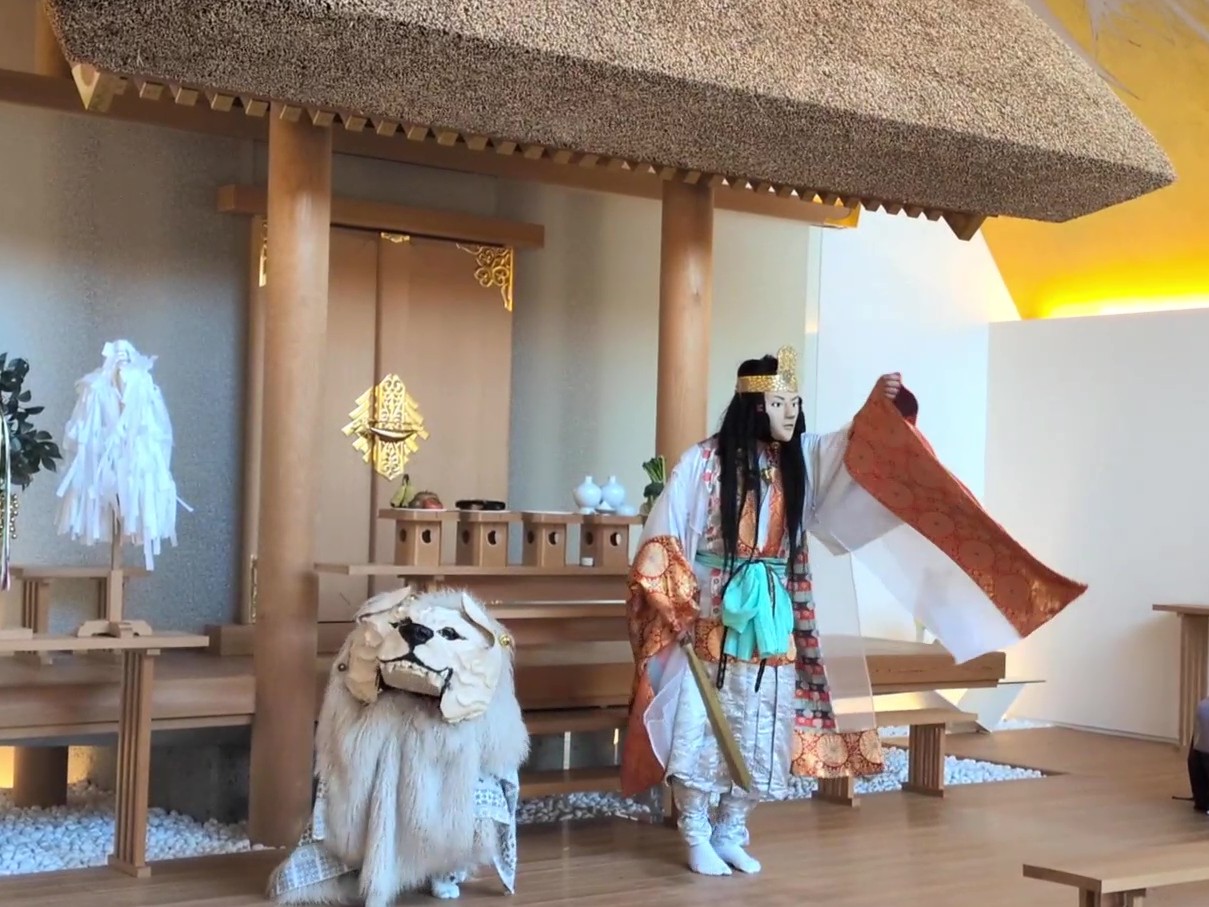
At our shrine's Tanabata Festival, we invite everyone—whether amateur or professional—who is pursuing various artistic paths, such as musical instruments, illustration, or writing, to present their favorite tools before the altar. We pray together for the improvement and refinement of your artistic skills.
During the festival, there will also be a dedication performance of Gagaku (ancient Japanese court music). Witnessing this professional performance—up close—which carries on a long, rich history, is sure to inspire you and may bring a brand-new momentum to your own artistic journey.
Star Festival Image

Chinza Kinen-sai (Enshrinement Anniversary Festival)

Date/Time: July 25th (Sat), starting at 2:00 PM
Ritual Fee (Hatsuho-ryu): 5,000 JPY

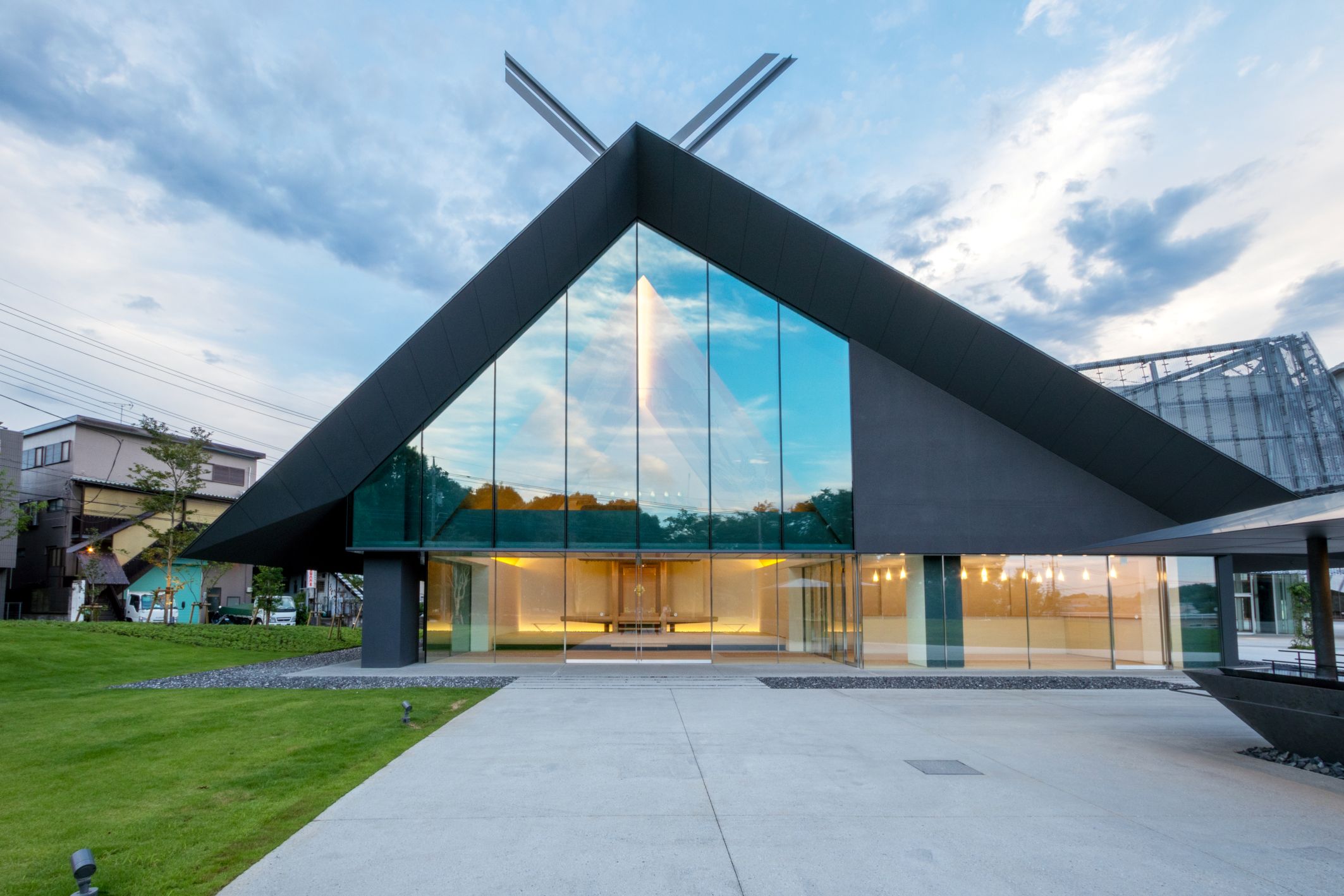
Commemorating the day Tokorozawa Sakura Town's Musashino Reiwa Shrine was enshrined on July 25th, 2020, this annual celebration stands as one of the most vital and sacred events of our shrine.

  • * Attendance is restricted exclusively to Special Members of the Sukei-kai (Shrine Devotee Association).
Enshrinement Anniversary Festival Image

Musashino Fujin-sai (Wind God Festival)

Date/Time: August 28th (Sun), starting at 2:00 PM
Ritual Fee (Hatsuho-ryu): 3,000 JPY

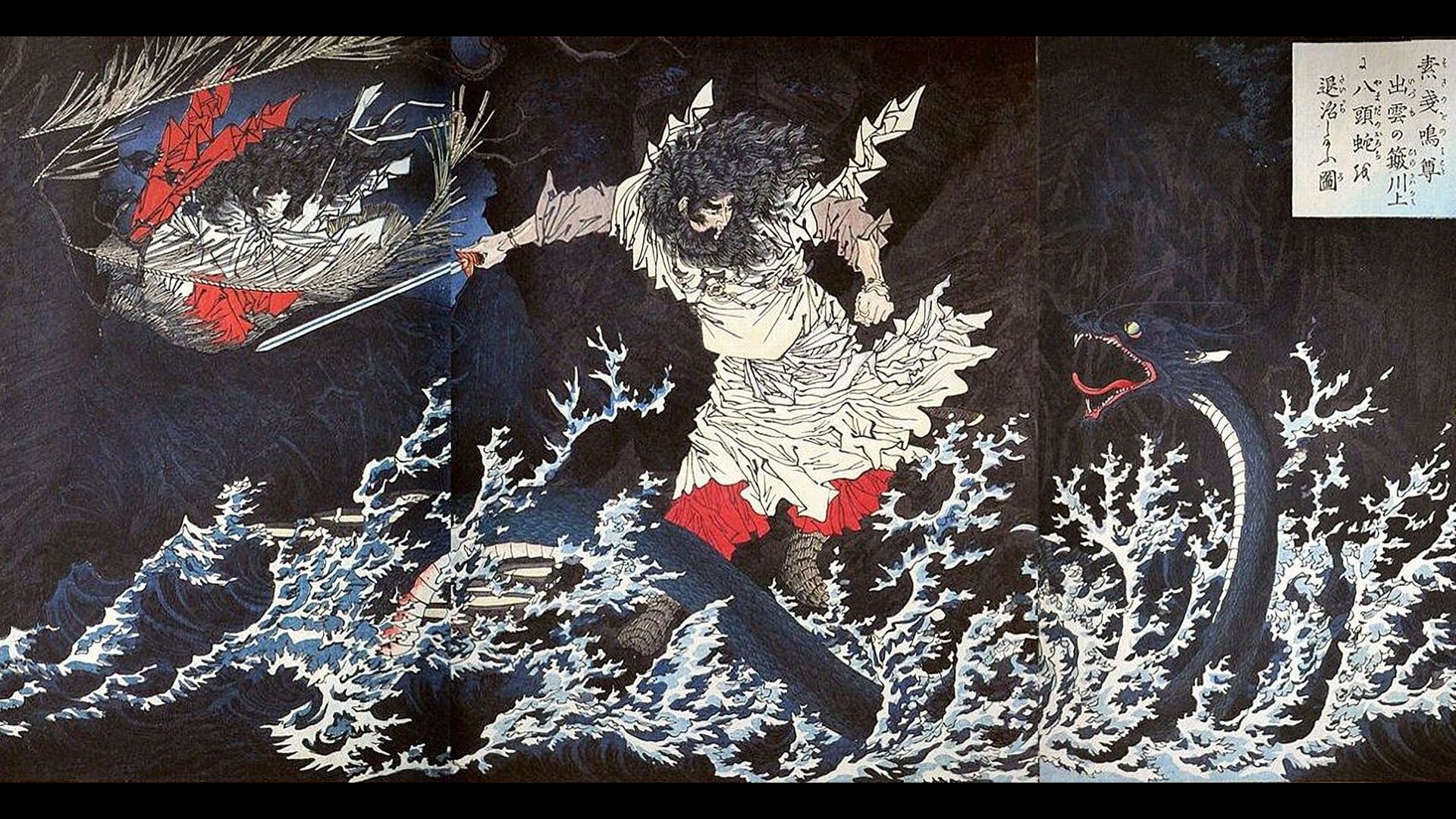
This festival is celebrated on the anniversary of the enshrinement of Susanoo-no-Mikoto, who is enshrined alongside our primary deity. Since Susanoo-no-Mikoto possesses the character of a god of storms, and this period aligns with the typhoon season (Nihyakutoka), and strong winds occasionally blow across Sakura Town, we conduct this ceremony as a dedicated Wind God Festival.

  • * A dedicated "Susanoo Dance" will be performed by Yoshifuku Shachu.
Wind God Festival Image

Fukko Kigan-sai (Reconstruction Prayer Festival)

Date/Time: September 1st (Tue), starting at 10:30 AM
Ritual Fee (Hatsuho-ryu): 1,000 JPY

Japan is a country prone to earthquakes. The Great Hanshin-Awaji Earthquake occurred on January 17th, 1995, and the Great East Japan Earthquake struck on March 11th, 2011, leaving deep scars on people's lives and hearts. Furthermore, extensive support is still desperately needed for the Noto Peninsula Earthquake that occurred on January 1st, 2024. During this Reconstruction Prayer Festival, we pray for the peace of the souls lost to these disasters, the well-being of the survivors, and a swift recovery. All ritual fees collected for this event will be donated in full to the Japanese Red Cross Society as relief funds.

  • * All proceeds will be donated entirely to the Japanese Red Cross Society.
Reconstruction Prayer Image

Shubun-sai (Autumnal Equinox Festival)

Date/Time: September 23rd (Sun), starting at 11:00 AM
Ritual Fee (Hatsuho-ryu): 2,000 JPY

As the long days of the summer solstice pass by, autumn arrives. The autumnal equinox falls in the middle of the Aki no Ohigan period, a time deeply rooted in honoring ancestors. At the Imperial Court, the Shunki Koureisai and Shunki Shindensai are performed to venerate successive imperial spirits and the八百万 (myriad) deities. Our shrine, dedicated to the sun deity Amaterasu Omikami, also holds solar-related festivals such as the Winter and Summer Solstice rituals. We solemnize the Autumnal Equinox Festival to carry forward this venerable tradition of divine reverence and ancestral respect.

Autumnal Equinox Festival Image

Kangetsu-sai (Moon Viewing Festival)

Date/Time: September 25th (Fri), starting at 6:00 PM
Ritual Fee (Hatsuho-ryu): 3,000 JPY

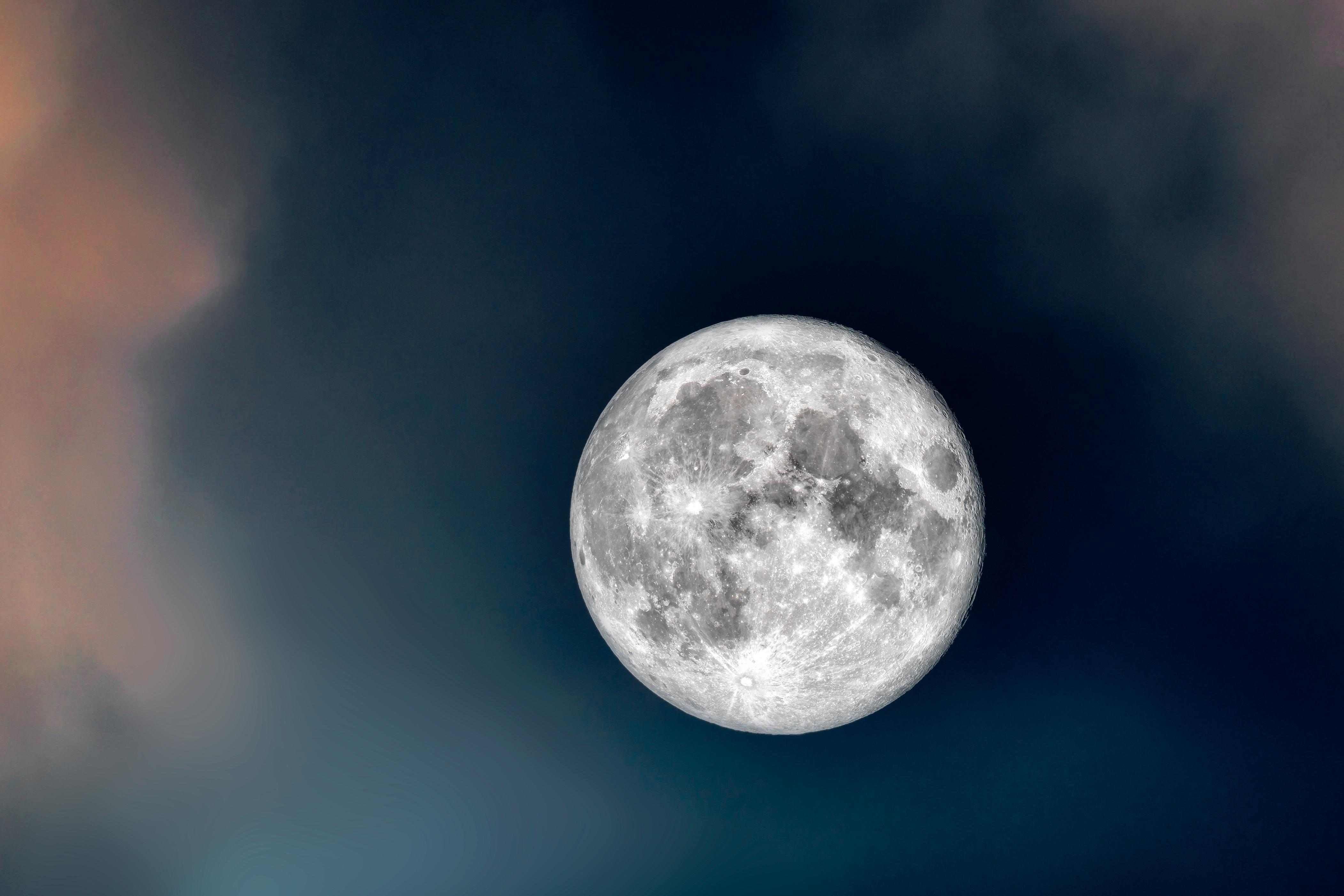
This festival is held on the night of the Mid-Autumn Full Moon. Under the sky illuminated by the beautiful moon, you can immerse yourself in traditional Gagaku music and various sacred dances reminiscent of the ancient Heian period court style.

  • * Features dedicated Gagaku music and sacred dance performances.
  • * Tsukimi-dango (rice dumplings traditionally enjoyed for moon-viewing) will be available.
Moon Viewing Festival Image

Kanname Hoshuku-sai (Autumn Harvest Celebration)

Date/Time: October 17th (Sat), starting at 11:00 AM
Ritual Fee (Hatsuho-ryu): 2,000 JPY

This ritual is held to present the very first newly harvested crops of the year to Amaterasu Omikami, offering profound thanks for her blessings. It takes place prior to the Niiname-sai festival conducted at the Imperial Palace and shrines nationwide. Our shrine proudly celebrates this Kanname-sai by presenting the new rice harvest to the great deity.

Autumn Harvest Celebration Image

Shuki Reitaisai / Shukensai (Autumn Annual Grand Festival)

Date/Time: October 27th (Mon), starting at 2:00 PM
Ritual Fee (Hatsuho-ryu): 5,000 JPY

At Tokorozawa Sakura Town's Musashino Reiwa Shrine, we hold our most vital annual ceremony, the Autumn Grand Festival (Shukensai), on October 27th, which marks the anniversary of the passing of Minamoto no Yoshi. In alignment with his lifelong wish—"May Japanese culture continuously develop and endure eternally"—we perform this solemn ritual.

  • * Attendance is restricted exclusively to Special Members of the Sukei-kai (Shrine Devotee Association).
Autumn Annual Grand Festival Image

Meiji-sai (Emperor Meiji Festival)

Date/Time: November 3rd (Tue, National Holiday), starting at 10:30 AM
Ritual Fee (Hatsuho-ryu): 1,000 JPY

This festival praises the outstanding achievements and legacy of Emperor Meiji, praying for national growth and the everlasting happiness of the citizens.

Emperor Meiji Festival Image

Niiname Kannou-sai (Harvest Thanksgiving Festival)

Date/Time: November 23rd (Sun, Holiday), starting at 11:00 AM
Ritual Fee (Hatsuho-ryu): 3,000 JPY

This highly important Shinto harvest festival is held to thank the deities for a successful harvest, offering the new grains to the gods and consuming them together to share in the divine blessings for the upcoming year.

Harvest Thanksgiving Festival Image

Toji-sai (Winter Solstice Festival)

Date/Time: December 22nd (Tue), starting at 4:30 PM
Ritual Fee (Hatsuho-ryu): 2,000 JPY

The Winter Solstice features the shortest day of the year. Because it is the extreme turning point where the peak of 'Yin' energy shifts back toward 'Yang', it has long been intertwined with the "Ichiyo-Raifuku" belief—the idea that fortune will return and winter always turns to spring. Traditionally, people celebrate by eating foods containing the letter "n" and purifying their bodies with a hot yuzu citrus bath. At our Winter Solstice Festival, we pray that the divine brilliance and power of our enshrined sun goddess, Amaterasu Omikami, will grow even stronger and grant us her deepest protection. The ritual includes the "Toyosaka-no-mai" sacred dance by shrine maidens and a dedicated performance of the Sho, whose sound represents heavenly light. All worshipers will be gifted with premium lucky yuzu fruit from Kochi Prefecture.

Winter Solstice Festival Image

Oharae-shiki (Year-End Grand Purification Ceremony)

Date/Time: December 31st (Wed), starting at 3:00 PM
Ritual Fee (Hatsuho-ryu): 2,000 JPY

Serving as the grand finale of the entire year, this sacred ritual cleanses all spiritual impurities and misdeeds accumulated unknowingly over the past months, allowing everyone to welcome the incoming New Year with a refreshed, pure mind and body.

Year-End Grand Purification Ceremony Image